You’re Not Failing, You’re Measuring Wrong: The Entrepreneur’s Guide To Living In “The Gain”

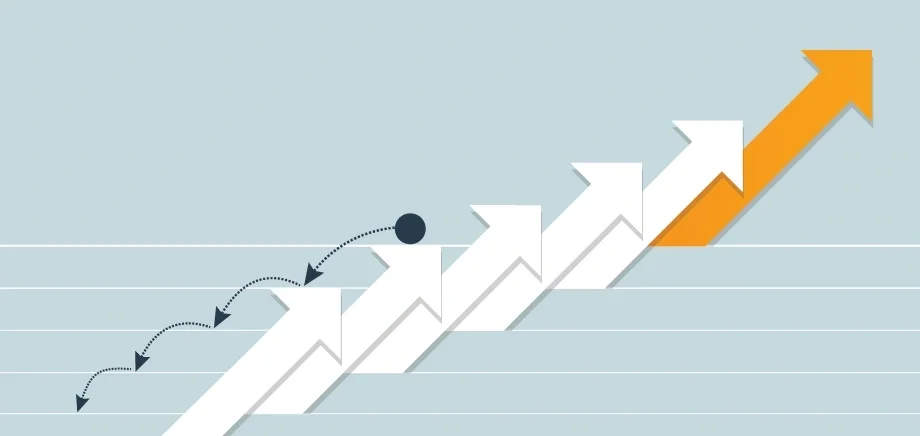
Most entrepreneurs I meet feel like they’re falling behind even as they stack wins. The problem isn’t effort. It’s the ruler. They’re measuring against an ideal that always moves. That’s “The Gap.” No matter how far you run, the horizon always stays in the distance.
The solution? Measure backward from where you started.
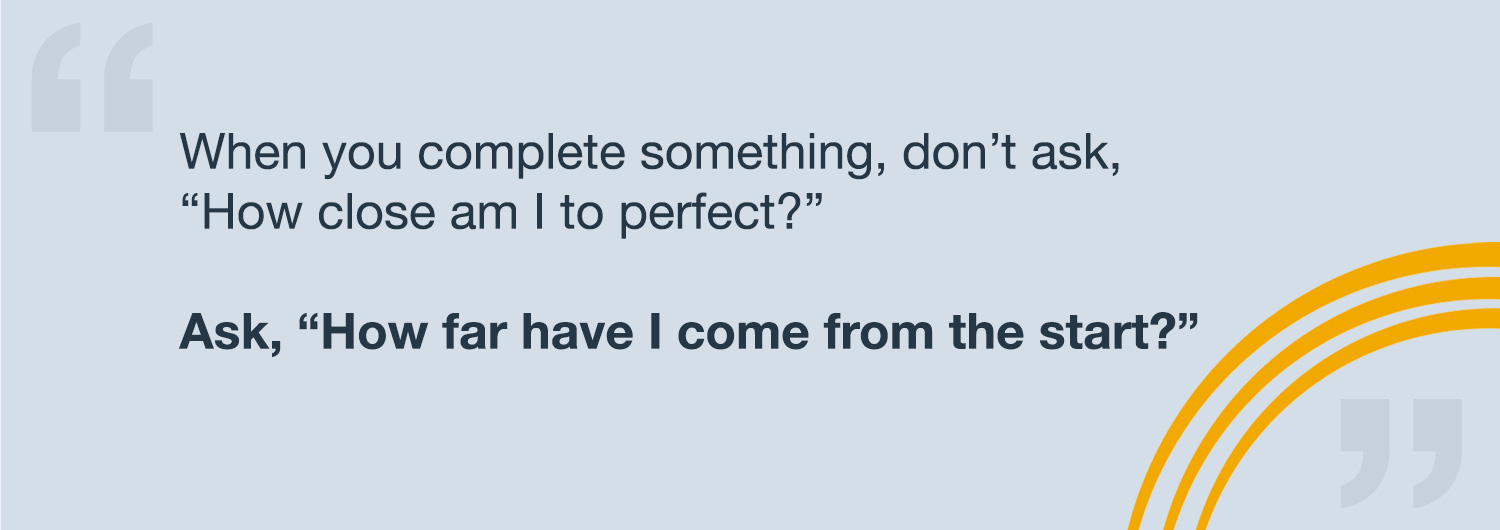
That’s “The Gain.” The ideal exists to illuminate your goals, not to be your measuring stick. When you complete something, don’t ask, “How close am I to perfect?” Ask, “How far have I come from the start?”
That single change doesn’t just lift your mood, it rewires behavior.
Why insist on this? Because staying in The Negative Zone where you’re constantly feeling discouraged is the surest way to stall your future.
If you refuse to recognize progress, your brain withholds the chemicals that make progress feel worth repeating, and eventually, you burn out.
Behavior science backs this up. Stanford’s BJ Fogg shows that people repeat what makes them feel successful. Feeling successful isn’t a luxury item for slow weeks; it’s what motivates you to take the next step. Shrink the action, make it easy, and shine a light on the win. When the step is tiny and visible, taking action feels easier, and momentum builds naturally.
Let’s ground this in places entrepreneurs actually live.
Teams rise when leaders count real improvements, not just what’s missing. The sales team that moved the average deal size from $18,000 to $24,000 needs to hear it out loud. The product team that fixed 40 bugs but left seven major ones unresolved needs a scoreboard that shows both truths. Recognition doesn’t make people soft; it makes them willing.
Willing teams do harder things, faster, with less drama.
In parenting and relationships, confidence grows in the distance traveled. Compare your kids and partners to their former selves, not to your ideals. “Last spring, you avoided hard classes, but this fall, you picked two and you’re still standing.” That sentence builds identity.
The same is true at home and at work—people start to see themselves differently when they can see their own progress.
In your self‑talk, “The Gain” gives you a foundation sturdy enough to design the next step. Accept earned praise. Celebrate completions. Make the next move from what’s working, not from what’s broken. The voice you practice privately becomes the culture you create publicly.
Living in The Gain doesn’t excuse mediocrity. It builds endurance. The founders who last don’t pretend the horizon is close; they stay energized because they can name the ground they’ve already covered. Confidence compounds, and with compounding confidence, you take bigger swings without turning every swing into a judgment of your worth.
The Gain also clarifies design. When you measure backward, you start asking, “What made this improvement easy?” Now you’re doing real leadership. You’re building systems that produce wins on purpose. BJ Fogg boils behavior down to a convergence of motivation, ability, and prompt. Entrepreneurs tend to over‑index on motivation. Living in The Gain shifts attention to ability and prompt: make the step tiny, make it obvious, and celebrate the completion so the brain marks it as a path worth taking again.
There’s also an identity shift waiting for you. People think identity causes behavior: “Once I’m the kind of leader who is calm and strategic, I’ll act that way.” In practice, it’s the other way around. Behavior produces identity. Each time you see and name a Gain, you cast a vote for the person you’re becoming and for the team you’re building. Enough votes, and the story changes permanently.
What does this look like in a business that’s scaling? Picture a company moving from founder‑led sales to a professional team. In The Gap, every quarter is a crisis because the new team “isn’t the founder yet.” In The Gain, you recognize that the team closed 42 deals without you, discovered a pricing objection you never saw, and documented a repeatable sequence. You still want better numbers, but now the group believes improvement is noticed, which means they’ll attempt the next improvement without waiting for your motivation.
If you adopt The Gain, something else becomes possible—you can choose mindsets intentionally. Curiosity keeps you in learning when fear keeps you frozen. Gratitude keeps opportunity visible when headlines are selling panic. Purpose keeps you building something specific and useful for people who matter to you. These mindsets feed each other when you keep proof of progress in view.
The deepest shift is this: The Gain returns time to entrepreneurs. When you measure from the start line, you stop relitigating yesterday and start designing tomorrow. You make fewer heroic rescues and more clean handoffs. You choose constraints with intent. You replace pep talks with operating mechanisms that work on boring Tuesdays, not just on launch day.
Growth doesn’t happen because the ideal gets closer; it happens because the gains get brighter.
Honor real progress, and let it compound until ordinary days turn into extraordinary results.
Remember, freedom isn’t earned by punishing what’s missing; it’s created by recognizing what’s working.